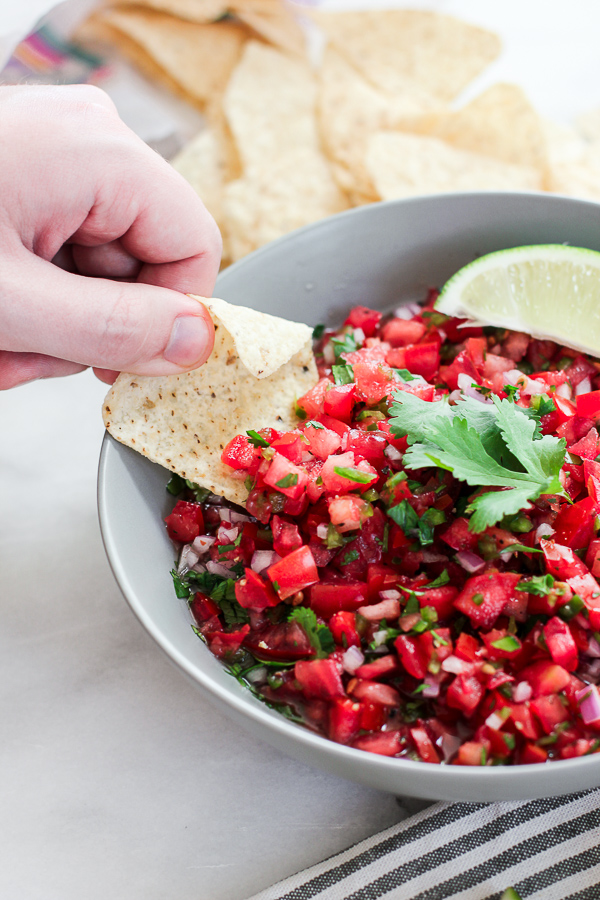
Unlock Authentic Flavor: Make Restaurant-Worthy Pico de Gallo at Home
There's something truly magical about the vibrant, fresh flavors of authentic Mexican cuisine. While many dishes require intricate steps, one staple stands out for its simplicity and explosive taste: pico de gallo. Often found gracing the tables of your favorite taquerias and Mexican restaurants, this chunky, fresh salsa isn't just a condiment – it's an experience. The good news? You don't need a culinary degree or a trip south of the border to achieve that restaurant-quality flavor. With our comprehensive guide and a fantastic pico de gallo recipe, you can whip up this crowd-pleasing dish right in your own kitchen, impressing friends and family alike.What Exactly *Is* Pico de Gallo? Beyond Just a Salsa
Before we dive into the creation process, let's clarify what pico de gallo is, as it's often confused with other types of salsa. While it is indeed a form of salsa, it possesses distinct characteristics that set it apart. Also known as salsa fresca (fresh salsa) or salsa mexicana (due to its resemblance to the colors of the Mexican flag), pico de gallo is defined by its uncooked, chunky texture and vibrant freshness. The name "pico de gallo" itself is intriguing, loosely translating to "rooster's beak." While the exact etymology remains a topic of playful speculation, many believe it refers to the way it was traditionally eaten: by pinching small amounts between the thumb and forefinger, a motion that supposedly resembles a pecking rooster's beak. Regardless of its charming name's origin, its defining features are clear: * Freshness First: Unlike some salsas that are cooked, pico de gallo is always made with raw, fresh ingredients. * Less Liquid: It's notably drier and chunkier than many other salsas, which tend to be more fluid. * Never Blended: The ingredients are always finely diced and chopped, maintaining their individual textures, rather than being pureed or mashed. This ensures a delightful crunch with every bite. Understanding these distinctions is key to appreciating its unique place in Mexican cuisine and mastering your own homemade version. For a deeper dive into these differences, check out our article on Pico de Gallo vs. Salsa: Understanding the Fresh Difference.The Core Ingredients for an Unforgettable Pico de Gallo Recipe
The secret to a truly spectacular pico de gallo lies almost entirely in the quality and freshness of your ingredients. Think vibrant colors, crisp textures, and robust aromas. Here’s a breakdown of the essential components for your homemade pico de gallo recipe:- Tomatoes: The Foundation
For pico de gallo, not all tomatoes are created equal. Roma (plum) tomatoes are often recommended because of their firm flesh and lower water content compared to other varieties. This helps prevent your pico from becoming too watery. Select ripe, firm, and richly red tomatoes – they are the heart of your dish, providing both sweetness and acidity. - Onion: The Aromatic Punch
This recipe often calls for red onion, which delivers a fantastic, slightly sweeter, and more visually appealing flavor than traditional white onions. However, feel free to use white onion if that's what you prefer or have on hand. The key is to finely dice it to ensure an even distribution of flavor without overwhelming the other ingredients. - Cilantro: The Freshness Factor
Fresh cilantro is non-negotiable for that authentic, bright, herbaceous flavor and a pop of vibrant green color. If you're one of those individuals for whom cilantro tastes like soap (a genetic predisposition!), don't despair! You can easily substitute it with fresh parsley or simply omit it. - Jalapeño (or Serrano): Turning Up the Heat
The spice level is entirely up to you. Fresh jalapeño peppers provide a pleasant warmth. For a milder pico, remove the seeds and membranes, which contain most of the capsaicin. If you crave more heat, leave some seeds in, or go a more traditional route by opting for serrano peppers, which are typically much spicier than jalapeños. - Lime Juice: The Brightening Agent
Freshly squeezed lime juice is crucial. It provides a zesty, fruity acidity that balances the richness of the tomatoes and spices. Beyond flavor, lime juice also helps keep your pico de gallo looking and tasting fresh for longer, preventing oxidation. - Garlic: The Flavor Enhancer
Our chosen pico de gallo recipe often incorporates both fresh minced garlic and a touch of garlic powder. This combination creates a multi-layered garlic flavor that is robust without being raw or overpowering. It's a subtle but significant difference that elevates the overall profile. - Cumin: The Warmth and Depth
A small pinch of ground cumin adds a beautiful warmth, a hint of earthiness, and a subtle sweetness that ties all the flavors together. It’s a spice often associated with Mexican cuisine and provides a comforting depth. - Salt and Pepper: The Essential Finishers
Don't underestimate the power of good quality salt and freshly ground black pepper. They don't just add their own flavor; they enhance and bring out the best in all the other ingredients, balancing the acidity, sweetness, and heat.
Expert Tips & Techniques for Mastering Your Homemade Pico de Gallo
Making pico de gallo isn't just about combining ingredients; it's about technique and understanding how to coax the best flavors out of each component. Here are some expert tips to help you create a truly exceptional batch:1. The Art of the Dice: Uniformity is Key
For the best texture and an aesthetically pleasing presentation, aim for uniform dicing of your tomatoes, onions, and jalapeños. Small, consistent pieces ensure that you get a balanced bite of all ingredients every time. Uneven chunks can lead to some bites being too oniony or too spicy, disrupting the harmony of the dish.
2. Customizing the Heat Level
As culinary producer Nicole McLaughlin (a.k.a. NicoleMcMom) advises, your jalapeño usage is "where you have to use your best judgment." While a recipe might call for half a jalapeño, she often recommends using more if you like a kick. Remember, the majority of a pepper's heat resides in its seeds and the white membrane. For a milder pico, meticulously remove all seeds and membranes. For a fiery experience, leave some or all of them in. Experimentation is encouraged!
3. The Importance of a Rest
Once you've chopped and mixed all your ingredients, resist the urge to immediately dig in. Allow your pico de gallo to rest for at least 15-30 minutes in the refrigerator. This crucial resting period allows the flavors to meld and deepen, resulting in a more cohesive and delicious final product. The lime juice and salt will also work their magic, drawing out moisture and enhancing the fresh flavors.
4. Taste and Adjust: The Chef's Secret
Before serving, always give your pico de gallo a taste. Is it bright enough? Add a little more lime juice. Does it need more depth? A touch more salt or a pinch of cumin can make all the difference. Seasoning to taste is what separates a good dish from a great one.
5. Beyond the Classic: Endless Customization
The beauty of pico de gallo is its inherent versatility. While the classic combination is perfect as is, it also serves as an excellent canvas for customization. Want to make it sweeter? Add diced mango or pineapple for a tropical salsa. Looking for more texture? Stir in some cooked black beans or corn kernels. You can even swap out bell peppers for jalapeños for an entirely mild version. The possibilities are truly endless, allowing you to tailor your creation to your personal preferences or what you have on hand. Discover more ways to tailor your salsa in our guide: Mastering Pico de Gallo: Key Ingredients & Customization Tips.
6. Storage Savvy
Homemade pico de gallo is best enjoyed fresh, ideally within 2-3 days. Store it in an airtight container in the refrigerator. Over time, the tomatoes will release more liquid, so you might want to drain some of it before serving if it becomes too watery.
How to Enjoy Your Fresh Pico de Gallo
Once your masterpiece is complete, the ways to enjoy it are boundless! The most classic pairing is, of course, with a generous bowl of crispy tortilla chips – perfect for parties or a casual snack. But don't stop there:- Taco Topping: It's the ultimate fresh topping for any taco, from al pastor to carne asada or even vegetarian options.
- Grilled Meats & Fish: Spoon it over grilled chicken, steak, or flaky white fish for a burst of fresh flavor.
- Breakfast Booster: A spoonful on scrambled eggs or an omelet adds an incredible zest to your morning.
- Salad Enhancer: Use it as a vibrant, chunky dressing or a flavorful addition to any salad.
- Quesadillas & Burritos: A fresh counterpoint to the rich, cheesy goodness.
- Avocado Toast: Elevate your breakfast or snack with a colorful layer of pico.
