Pico de Gallo vs. Salsa: Understanding the Fresh Difference
Mexican cuisine, renowned for its vibrant flavors and fresh ingredients, offers a delightful array of condiments that elevate any dish. Among the most popular are pico de gallo and salsa, often used interchangeably, yet fundamentally distinct. While both bring a burst of flavor to tacos, chips, and grilled meats, understanding their unique characteristics is key to appreciating their culinary roles. This article will delve into the heart of their differences, explore what makes each one special, and guide you towards mastering the art of the perfect, fresh condiment.What is Pico de Gallo? The Essence of Freshness
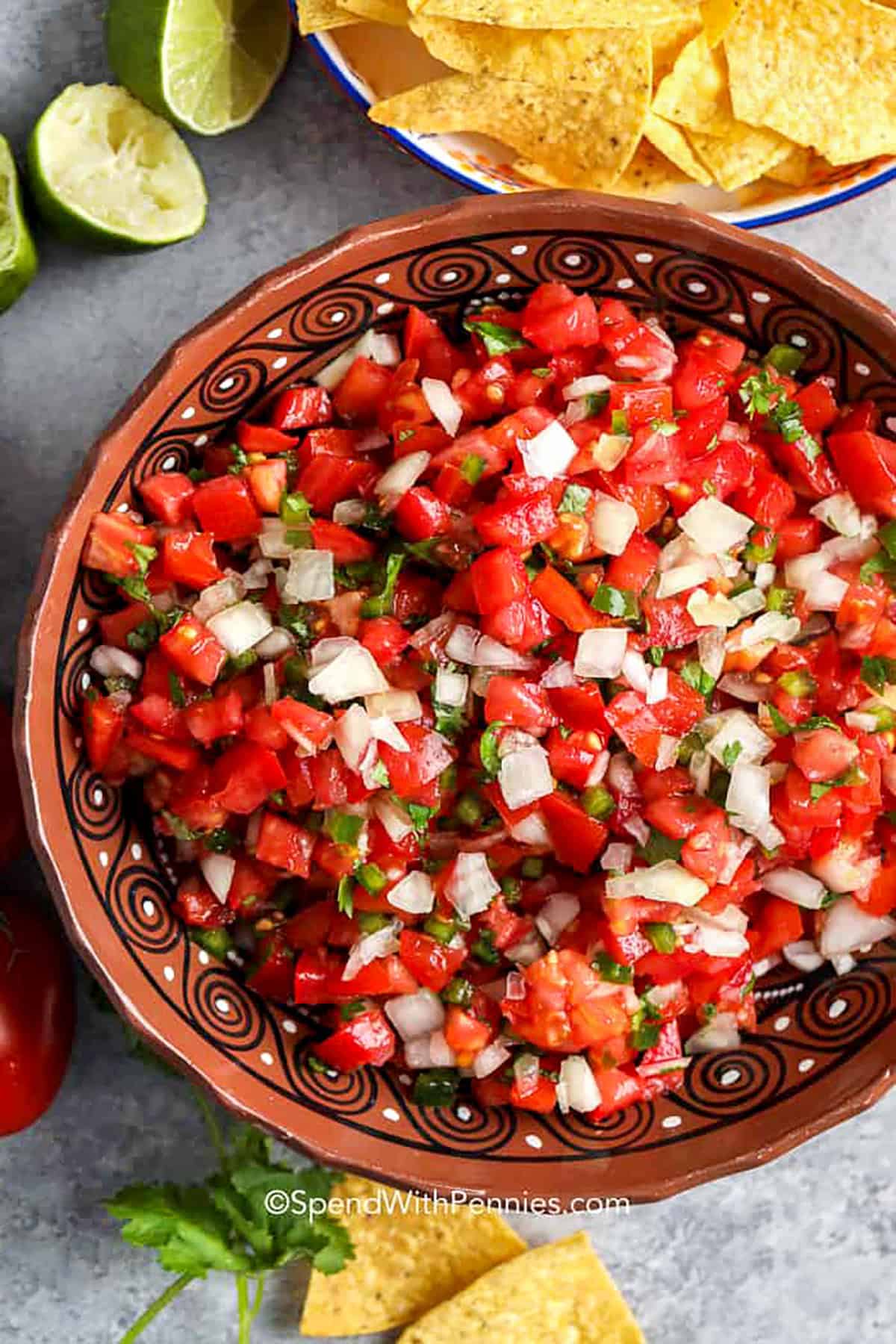
At its core, pico de gallo is a celebration of raw, vibrant ingredients. Often referred to as "salsa fresca" or "salsa mexicana" due to its resemblance to the colors of the Mexican flag, it distinguishes itself immediately with its chunky texture and minimal liquid content. Unlike many salsas, pico de gallo is never cooked or blended; every ingredient is finely diced and combined fresh. The literal translation of "pico de gallo" is "rooster's beak." While the exact etymology is debated, popular theories suggest the name comes from the way it was traditionally eaten: by pinching small amounts between the thumb and forefinger, mimicking a rooster's pecking motion. Another theory speculates it's due to the fine dice of its ingredients resembling bird feed. Regardless of its origin, the name evokes a rustic, hands-on charm that perfectly encapsulates this fresh condiment. Key characteristics that define pico de gallo include:- Fresh, Uncooked Ingredients: Every component, from tomatoes to jalapeños, is raw.
- Diced Texture: Ingredients are uniformly chopped, resulting in a chunky, salad-like consistency.
- Minimal Liquid: Unlike more saucy salsas, pico de gallo relies on the natural moisture of its ingredients, often with a splash of lime juice.
- Vibrant Appearance: The distinct colors of red tomatoes, white or red onions, green cilantro, and green chiles make it visually striking.
Understanding Salsa: A Broader Culinary Spectrum
The term "salsa" is far broader than many realize. In Spanish, "salsa" simply means "sauce." This vast category encompasses an incredible diversity of preparations, ranging from thin and smooth to thick and chunky, cooked or raw, mild to intensely spicy. This wide definition is why pico de gallo is technically *a type* of salsa, but it's crucial to understand it's a very specific kind within a much larger family. Salsas can vary dramatically in their preparation and ingredients:- Cooked Salsas: Many traditional salsas, such as salsa roja or salsa ranchera, involve cooking or roasting ingredients like tomatoes, chiles, and onions. This process deepens flavors, adds a smoky quality, and softens textures.
- Blended or Pureed: While some salsas are gently mashed, many are pureed to achieve a smooth consistency, perfect for drizzling or as a base for stews. Think of a restaurant-style red salsa, often blended until silky.
- Diverse Ingredients: Beyond the standard tomatoes and chiles, salsas incorporate a wider array of ingredients, including tomatillos (for salsa verde), various dried chiles (like ancho or guajillo), fruits (mango salsa), and even nuts or seeds.
- Varying Liquid Content: Salsas generally contain more liquid than pico de gallo, allowing them to cling to food or be easily scooped.
The Core Differences: Pico de Gallo vs. Salsa
While both are delicious and indispensable in Mexican cuisine, pinpointing the key distinctions clarifies their individual appeal:Texture and Consistency
This is perhaps the most glaring difference. Pico de gallo is inherently chunky and robust, almost like a finely chopped salad. Its ingredients retain their individual integrity, offering a satisfying crunch with every bite. In contrast, salsa can range from chunky to smooth and pourable. Many common salsas are processed to varying degrees, resulting in a more saucy or even pureed consistency that coats food rather than topping it with distinct pieces.
Ingredients and Preparation
Pico de gallo demands only fresh, uncooked ingredients. The beauty lies in the raw, unadulterated flavors. Tomatoes, onions, cilantro, and jalapeños are diced and combined without any heat application. Salsas, however, often embrace both fresh and cooked elements. Ingredients might be roasted, grilled, boiled, or simmered to develop complex flavors before being blended or mashed. This cooking process fundamentally alters the taste profile, often adding depth, smokiness, or a mellow sweetness.
Liquid Content
You'll notice pico de gallo has significantly less liquid. It’s a drier condiment, relying on the natural juices of the tomatoes and a squeeze of lime to bind it. This minimal liquid content prevents it from making dishes soggy. Salsas, generally speaking, contain more liquid, making them ideal for dipping, drenching, or incorporating into recipes as a sauce.
Culinary Application
Because of its texture, pico de gallo excels as a fresh topping where you want distinct bites of vegetable. Think of it as a garnish that adds both flavor and texture. It's fantastic on fish tacos, scrambled eggs, or simply piled high on a chip. Salsas, with their varying consistencies, are incredibly versatile. They can be used as a dip, a marinade, a cooking sauce (for enchiladas or chilaquiles), a dressing, or a pourable topping.
Crafting the Perfect Pico de Gallo: Your Ultimate Guide
Now that you understand its unique identity, let's explore how to create an authentic and delicious pico de gallo recipe right in your own kitchen. As culinary producer Nicole McLaughlin aptly states, "Homemade pico de gallo is fresher, more colorful, crunchier, and cheaper [than the store-bought stuff], so why not make it yourself?” The secret lies in sourcing the finest ingredients and understanding their roles. If you're ready to dive deeper into the art, be sure to check out our guide on Make Restaurant-Worthy Pico de Gallo at Home for even more expert tips.Key Ingredients for a Stellar Pico de Gallo:
- Tomatoes: The foundation of pico. Roma (plum) tomatoes are often preferred because they are less watery than other varieties, ensuring your pico remains chunky and doesn't become soupy. Choose firm, ripe, and vibrant red tomatoes for the best flavor and texture.
- Onion: Red onions are often chosen for their beautiful color and slightly milder, sweeter flavor profile compared to their white counterparts, though white onions are traditional and can certainly be used for a sharper bite.
- Cilantro: Fresh cilantro is non-negotiable for that signature bright, herbaceous flavor. Chop it finely to distribute its essence evenly. If you're among those with the genetic predisposition against cilantro, fresh parsley is an acceptable, albeit different, substitute.
- Jalapeño (or Serrano): This adds the characteristic heat. How much you use, and whether you include the seeds and membranes, is entirely up to your preference. For more heat, leave some seeds in; for a milder version, remove all seeds and veins. Serrano peppers are a great choice if you prefer a more intense, traditional heat. As Nicole advises, "The recipe calls for half a jalapeño, but this is where you have to use your best judgment. I always use more jalapeño than it calls for.”
- Lime Juice: Freshly squeezed lime juice brightens all the flavors, adds a zesty tang, and helps to preserve the freshness and color of your pico de gallo. Don't skimp on this!
- Garlic: While some traditional recipes omit it, a touch of finely minced fresh garlic, sometimes complemented by a pinch of garlic powder, can add a powerful depth of flavor.
- Cumin: A whisper of ground cumin introduces a warm, earthy undertone that rounds out the flavors beautifully.
- Salt and Pepper: These essential seasonings enhance and balance all the other ingredients. Taste and adjust to perfection.
Tips for Success and Customization:
- Dice Uniformly: Aim for consistent, small dice for all your vegetables. This ensures an even distribution of flavor and a pleasing texture.
- Drain Tomatoes: After dicing, you might gently press your tomatoes with a paper towel or let them sit in a colander for a few minutes to remove excess moisture.
- Balance Flavors: The key to a great pico is harmony. Taste as you go and adjust the lime, salt, and heat until it sings.
- Let it Marinate: While delicious immediately, letting your pico de gallo sit for 15-30 minutes allows the flavors to meld beautifully.
- Personalize it: The beauty of homemade pico is customization! If you like it hot, add more spicy peppers. If you prefer it milder, deseed your chiles or omit them entirely. For an exciting twist, consider adding ingredients like finely diced avocado, corn kernels, or black beans. You can explore even more options and refine your recipe by reading our comprehensive guide on Mastering Pico de Gallo: Key Ingredients & Customization Tips.
