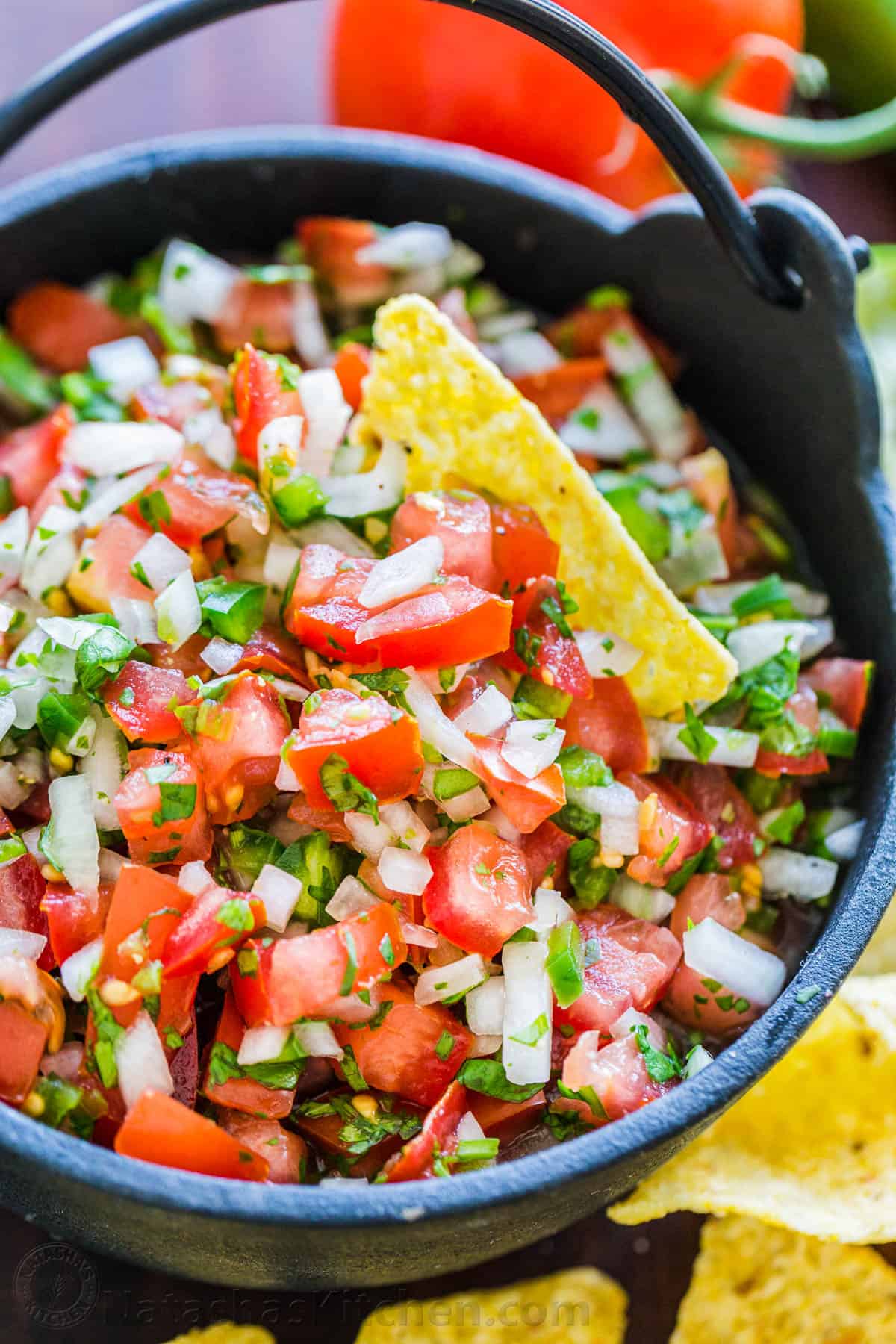
Mastering Pico de Gallo: Key Ingredients & Customization Tips
There's a reason *pico de gallo* holds a special place in the hearts of fresh food enthusiasts: its vibrant colors, crisp textures, and bursting flavors instantly elevate any meal. Far more than just a dip, this fresh salsa is a celebration of simple, wholesome ingredients coming together in perfect harmony. Whether you're topping your favorite tacos, scooping it with tortilla chips, or pairing it with grilled chicken, the irresistible allure of homemade pico de gallo is undeniable. Dive with us into the world of this beloved Mexican condiment, where we'll uncover the essential ingredients and unlock the secrets to customizing your very own masterpiece.
What Exactly *Is* Pico de Gallo? Defining Freshness
Often mistaken for a traditional red salsa, pico de gallo holds a distinct identity rooted in its freshness and composition. The name itself, "pico de gallo," loosely translates to "rooster's beak." While the exact etymology is debated, a popular theory suggests it refers to the pinching motion of the thumb and forefinger used to pick up the chunky salsa, resembling a rooster pecking. Also known as *salsa fresca* or *salsa mexicana* (due to its resemblance to the colors of the Mexican flag), its defining characteristic is its uncooked nature and chunky texture.
Unlike many salsas that can be cooked, puréed, or gently mashed, pico de gallo is always made with finely diced, raw ingredients. This means less liquid and a distinctly fresh, crunchy profile that sets it apart. While some salsas are thin and saucy, pico de gallo maintains a substantial texture, making it perfect for scooping or as a robust topping. For a deeper dive into these differences, explore our article on
Pico de Gallo vs. Salsa: Understanding the Fresh Difference.
The Core Four: Essential Pico de Gallo Ingredients
At its heart, an authentic *pico de gallo recipe* relies on four foundational fresh ingredients, each playing a crucial role in creating its iconic flavor profile. The secret, as any seasoned chef will tell you, lies in sourcing the absolute freshest produce you can find.
Tomatoes: The Heart of Your Pico
Tomatoes are the undisputed star of pico de gallo, providing sweetness, tang, and the bulk of its vibrant red hue. The type of tomato you choose significantly impacts the final texture and moisture content.
* **Recommendation:** Roma (plum) tomatoes are widely preferred for their firm flesh and lower water content compared to other varieties. This ensures your pico de gallo doesn't become overly watery.
* **Selection Tip:** Look for ripe, bright red tomatoes that feel firm and plump to the touch. Avoid anything too soft or mealy.
* **Preparation:** For the best results, finely dice the tomatoes, discarding any excess seeds and watery pulp. This helps maintain the desired chunky texture and prevents your pico from becoming soupy.
Onion: Adding Pungent Crunch
Onion contributes a sharp, pungent bite and crucial crunch to the mix. It balances the sweetness of the tomatoes and adds depth of flavor.
* **Recommendation:** Red onions are a popular choice, offering a beautiful color contrast and a slightly milder flavor than white onions when raw, though they still pack a punch.
* **Alternative:** Traditional *pico de gallo recipes* often call for white onions, which provide a sharper, more assertive flavor. Choose according to your preference.
* **Preparation Tip:** Finely dicing the onion is key. If you find raw onion too strong, you can soak the diced onion in cold water for 10-15 minutes, then drain thoroughly, to mellow its intensity.
Cilantro: The Aromatic Freshness
Cilantro is the herb that defines the fresh, zesty character of pico de gallo. Its distinctive bright, citrusy, and slightly peppery notes are indispensable.
* **Importance:** Fresh cilantro provides an unparalleled aromatic complexity and a burst of green color.
* **Substitution:** While many adore cilantro, some individuals have a genetic predisposition that makes it taste like soap. If you fall into this category, fresh flat-leaf parsley can be a good substitute, offering a similar verdant freshness, though the flavor profile will differ slightly.
* **Preparation Tip:** Wash cilantro thoroughly and pat dry before finely chopping both leaves and tender stems.
Jalapeño (or Chile of Choice): Bringing the Heat
No fresh pico de gallo is complete without a hint of heat. The jalapeño provides that essential kick, adding a lively warmth without necessarily overpowering the other ingredients.
* **Recommendation:** Jalapeños are the standard for most pico de gallo recipes, offering a medium heat level.
* **For More Heat:** If you prefer a spicier salsa, consider using serrano peppers, which are significantly hotter than jalapeños.
* **Controlling Heat:** Most of the capsaicin (the compound responsible for heat) resides in the seeds and the white membrane inside the pepper. To reduce heat, remove these entirely. For more heat, leave some or all of them in.
* **Safety Tip:** Always wear gloves when handling hot peppers to prevent irritation, especially if you plan to touch your face or eyes.
Beyond the Basics: Elevating Your Pico de Gallo Recipe
While the core four ingredients form the backbone of any excellent pico de gallo, a few additional components can elevate its flavor profile, adding brightness, depth, and the perfect finishing touch.
Lime Juice: The Brightening Agent
Fresh lime juice is non-negotiable in a stellar *pico de gallo recipe*. It acts as a flavor enhancer, adding a crucial tartness that brightens all the other ingredients.
* **Function:** Its acidity cuts through the richness, preventing the pico from tasting flat. It also helps preserve the freshness and vibrant color of the ingredients.
* **Recommendation:** Always use freshly squeezed lime juice. Bottled lime juice simply doesn't compare in terms of flavor and vibrancy.
Garlic: Aromatic Depth
Garlic, though sometimes optional, can add a wonderful aromatic depth and savory complexity to your pico de gallo.
* **Recommendation:** Fresh garlic, very finely minced, will provide the most potent and authentic flavor. A small clove often suffices to avoid overpowering the fresh vegetables.
* **Alternative:** Some recipes call for a pinch of garlic powder, which offers a different, more subdued garlic note. For the freshest salsa, however, freshly minced garlic is generally preferred.
Cumin, Salt, and Pepper: Seasoning to Perfection
These pantry staples are vital for tying all the flavors together and rounding out your pico de gallo.
* **Cumin:** A small pinch of ground cumin can introduce a warm, earthy, and slightly nutty undertone that complements the other ingredients beautifully. Use sparingly, as a little goes a long way.
* **Salt:** Essential for enhancing and balancing all the other flavors. Without enough salt, your pico de gallo will taste bland.
* **Black Pepper:** A simple seasoning that adds a touch of subtle warmth and rounds out the overall flavor.
* **Key Tip:** Always taste your pico de gallo before serving and adjust salt, pepper, and lime juice as needed. Seasoning is a personal journey!
Mastering Customization: Making Your Pico de Gallo Truly Yours
The beauty of a homemade *pico de gallo recipe* lies in its incredible versatility. Once you've mastered the basic technique and core ingredients, the possibilities for customization are virtually endless, allowing you to tailor it perfectly to your taste and occasion. This flexibility is what truly makes it a staple in any kitchen. To learn more about creating a truly exceptional batch, be sure to read our tips on
Make Restaurant-Worthy Pico de Gallo at Home.
Adjusting the Heat Level
* **More Fire:** If you crave intense heat, simply increase the amount of jalapeño or opt for hotter peppers like serrano, habanero, or even a Scotch bonnet. Leaving in the seeds and white membranes of the peppers will significantly boost the spice.
* **Less Heat:** For a milder version, remove all seeds and membranes from your jalapeños. You can also substitute a portion or all of the jalapeño with milder green bell peppers or simply omit the chile entirely.
Exploring Texture Variations
* **Fine vs. Chunky:** While pico de gallo is characteristically chunky, you can adjust the size of your dice. A finer chop creates a more uniform texture, while a slightly larger dice emphasizes the individual ingredients. Consistency in dicing, regardless of size, is crucial for even flavor distribution.
Creative Add-ins for Flavor and Substance
Adding extra ingredients can transform your pico de gallo, making it heartier, sweeter, or even more complex.
* **Avocado:** Diced avocado adds a creamy texture and richness, essentially turning your pico into a chunky guacamole hybrid.
* **Corn:** Fresh or frozen (thawed) corn kernels offer a burst of sweetness and a satisfying pop of texture.
* **Black Beans:** Rinsed and drained black beans add a hearty, earthy element, making the pico de gallo more substantial – perfect as a side dish or even a light salad.
* **Tropical Fruits:** Diced mango or pineapple can introduce a wonderful sweetness and tropical flair, especially good with grilled fish or pork.
* **Bell Peppers:** Red or yellow bell peppers add sweetness, crunch, and extra color without any heat.
* **Cucumber:** Finely diced cucumber provides an extra layer of crispness and a refreshing coolness.
Serving Suggestions Beyond the Chip
Pico de gallo is incredibly versatile and shines in many applications:
* **Classic Companion:** With tortilla chips, of course!
* **Taco Topping:** Essential for fish tacos, carne asada, chicken tacos, or veggie tacos.
* **Grilled Meats:** A fantastic accompaniment to grilled chicken, steak, or fish.
* **Eggs:** Brightens up scrambled eggs, omelets, or huevos rancheros.
* **Salads:** Can be mixed into green salads or used as a base for grain bowls.
* **Garnish:** Adds a fresh pop of flavor and color to nearly any savory dish.
Expert Tips for the Best Homemade Pico de Gallo
* **Prioritize Freshness:** This cannot be stressed enough. The quality of your ingredients directly translates to the quality of your pico de gallo.
* **Consistent Dicing:** Aim for roughly uniform pieces for all your ingredients. This ensures every bite has a balanced flavor and pleasing texture.
* **Taste and Adjust:** After mixing, always give it a taste. You might need more salt, a squeeze of extra lime, or even another pinch of cilantro to hit that perfect balance.
* **Allow Flavors to Meld:** While delicious immediately, letting your pico de gallo chill in the refrigerator for at least 30 minutes allows the flavors to meld and deepen.
* **Proper Storage:** Store homemade pico de gallo in an airtight container in the refrigerator. It's best enjoyed within 1-2 days for peak freshness and crunch, as the ingredients will start to release more liquid over time.
Conclusion
Mastering the art of *pico de gallo recipe* creation is a rewarding journey that celebrates freshness, flavor, and personal preference. By understanding the core ingredients – ripe tomatoes, pungent onion, aromatic cilantro, and spicy jalapeño – and learning to balance them with lime, garlic, and thoughtful seasoning, you lay the foundation for an exceptional homemade condiment. From there, the world of customization opens up, inviting you to experiment with different heat levels, additional vegetables, and even fruits, truly making this versatile salsa your own. So, next time you crave that vibrant, fresh kick, skip the store-bought versions and whip up a batch of homemade pico de gallo. Your taste buds will thank you!